

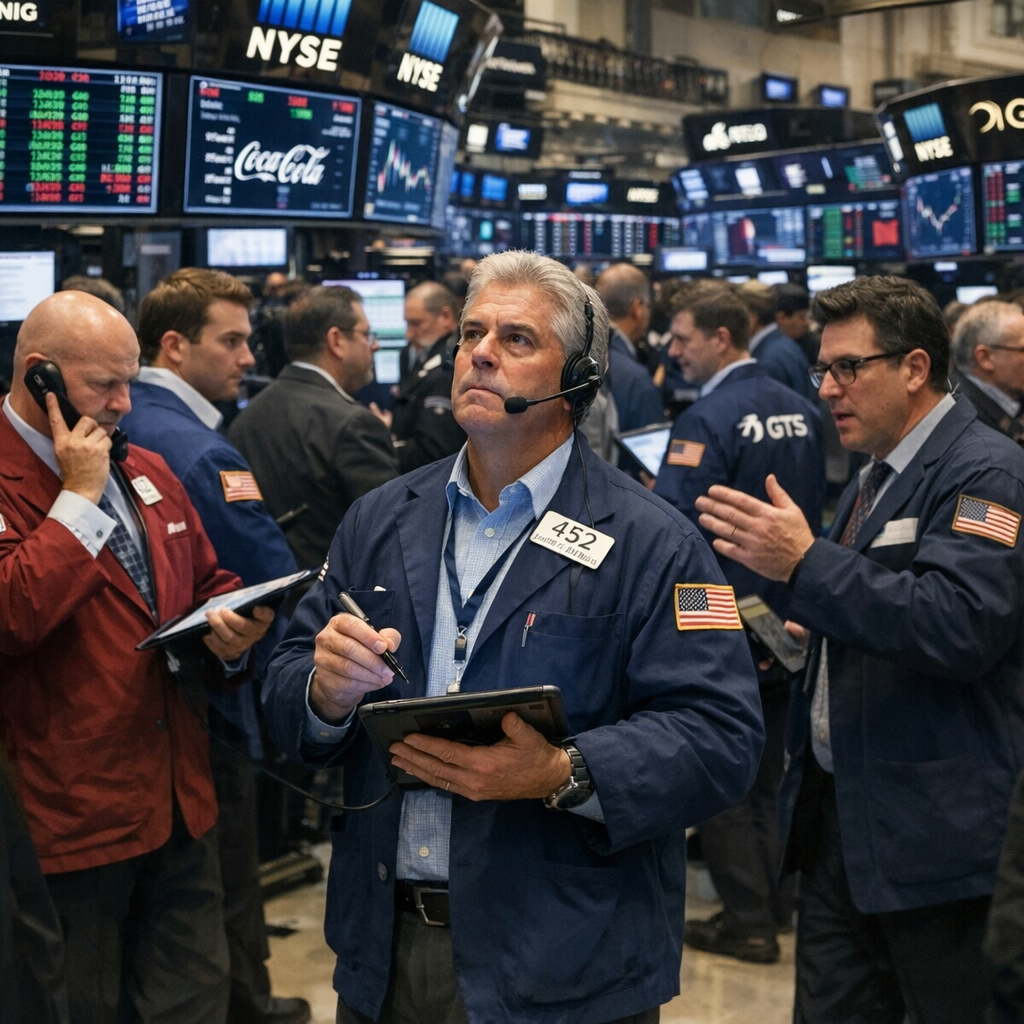
The U.S. economy is currently experiencing a complex interplay of factors affecting growth, inflation, and employment. Understanding these elements is crucial for both policymakers and citizens.
Economic Growth and Inflation
Recent data indicates that while the economy is expanding, the pace has slowed compared to previous quarters. Inflation remains a significant concern, with rates hovering around 2.9% as of December 2025. This persistent inflation impacts consumer purchasing power and overall economic stability. [Source: NerdWallet]
Employment Trends
The labor market shows signs of stagnation. Job creation has decelerated, and wage growth is not keeping pace with inflation, leading to reduced real incomes for many workers. This trend raises concerns about the long-term health of the labor market and economic inequality. [Source: NerdWallet]
Impact of Tariffs and Trade Policies
Trade policies, particularly tariffs, have introduced uncertainties into the economic landscape. The Supreme Court’s recent ruling striking down certain tariffs has added complexity to trade relations and market dynamics. [Source: NerdWallet]
Federal Reserve’s Role
The Federal Reserve continues to monitor these economic indicators closely, adjusting interest rates and monetary policies in response to inflation and growth trends. Their actions aim to balance economic growth with price stability.
Conclusion
As the U.S. navigates these economic challenges, staying informed about policy changes and market trends is essential. Understanding the broader economic context can help individuals and businesses make informed decisions in an evolving landscape.