

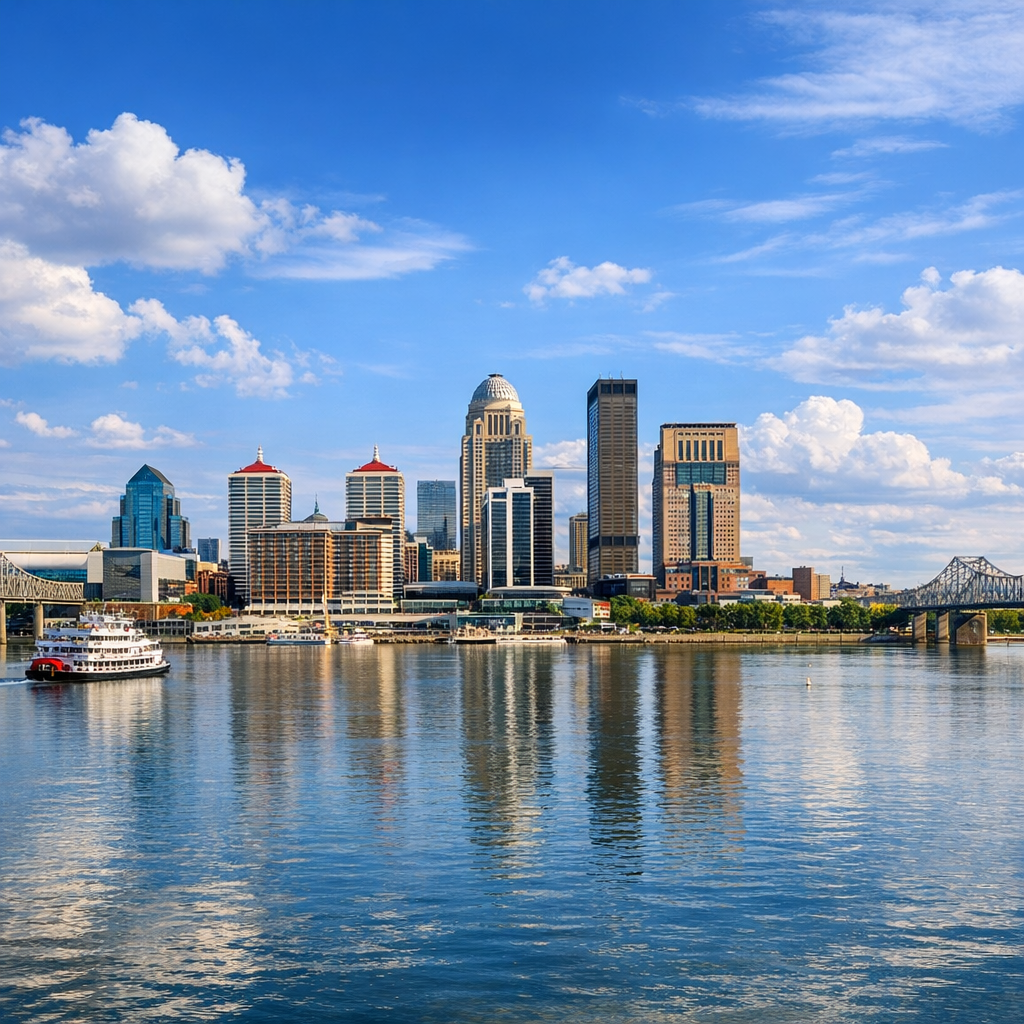
Louisville, Kentucky, experiences a humid subtropical climate, characterized by four distinct seasons that bring a variety of weather patterns throughout the year.
Spring
Spring in Louisville typically begins in mid-to-late March. This season is marked by moderate temperatures and increased precipitation, with average highs ranging from 58°F (14°C) in March to 78°F (26°C) in May. Rainfall averages about 4.6 inches in March, increasing to 5.09 inches in May. Spring is also a time when severe weather, including thunderstorms and occasional tornadoes, can occur.
Summer
Summer spans from mid-to-late May through late September. The season is characterized by hot and humid conditions, with average high temperatures peaking at 88°F (31°C) in July. Humidity levels are typically high, contributing to the muggy feel. Precipitation remains steady, averaging around 4 inches per month, often in the form of afternoon thunderstorms.
Fall
Fall arrives in October and lasts through November. Temperatures gradually decrease, with average highs dropping from 70°F (21°C) in October to 58°F (14°C) in November. Rainfall averages about 3.8 inches in October and 3.58 inches in November. The season is generally mild and less humid, making it a pleasant time for outdoor activities.
Winter
Winter in Louisville extends from December through February. The season is cold and wet, with average high temperatures ranging from 43°F (6°C) in January to 48°F (9°C) in February. Snowfall is relatively light, averaging around 1 inch per month, primarily occurring between December and March. However, occasional heavy snowfall and icing events can occur.
Environmental Considerations
Louisville’s climate and industrial history have led to environmental challenges, particularly concerning air quality. The city has implemented programs like the Strategic Toxic Air Reduction (STAR) initiative to monitor and reduce air toxics, especially in areas surrounding industrial complexes. Additionally, concerns about ‘forever chemicals’ (PFAS) in drinking water have prompted increased monitoring and efforts to ensure water safety.
Understanding Louisville’s climate is essential for residents and visitors alike, as it influences daily life, seasonal activities, and environmental health. Staying informed about weather patterns and environmental initiatives can help the community adapt and thrive throughout the year.