

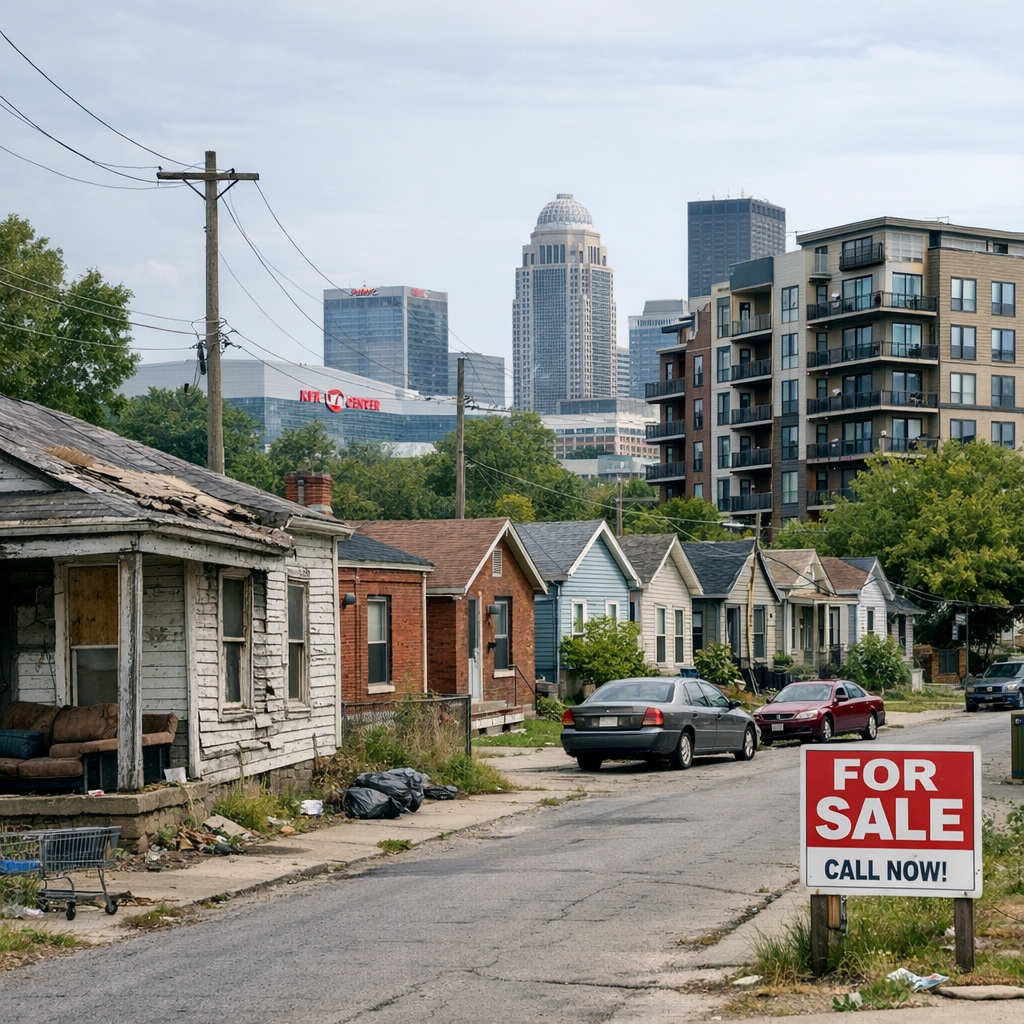
Louisville is grappling with substantial challenges in housing and utility affordability, affecting a broad spectrum of its residents. Recent analyses have shed light on the depth of these issues, emphasizing the urgent need for comprehensive solutions.
Housing Affordability Concerns
The Metropolitan Housing Coalition’s 2025 Housing and Utility Affordability Report reveals that thousands of households in Louisville struggle with utility unaffordability, which undermines housing affordability and stability. This situation has broader implications, negatively impacting health, economic mobility, and resilience to disasters. The report underscores that housing affordability is not merely an economic issue but a multifaceted challenge requiring coordinated efforts to address.
Utility Costs and Their Impact
Utility costs are a significant component of housing expenses. The report highlights that many households face difficulties in managing these costs, leading to financial strain and, in some cases, housing instability. The interplay between high utility expenses and housing affordability suggests that solutions must encompass both aspects to be effective.
Community and Policy Responses
Addressing these challenges necessitates a collaborative approach involving policymakers, community organizations, and residents. Potential strategies include increasing the availability of affordable housing units, implementing energy efficiency programs to reduce utility costs, and providing financial assistance to those in need. Additionally, fostering community engagement and awareness can empower residents to advocate for policies that promote housing and utility affordability.
As Louisville continues to confront these pressing issues, it is imperative to develop and implement strategies that ensure all residents have access to affordable and stable housing, along with manageable utility costs. Such efforts are crucial for enhancing the overall well-being and resilience of the community.