

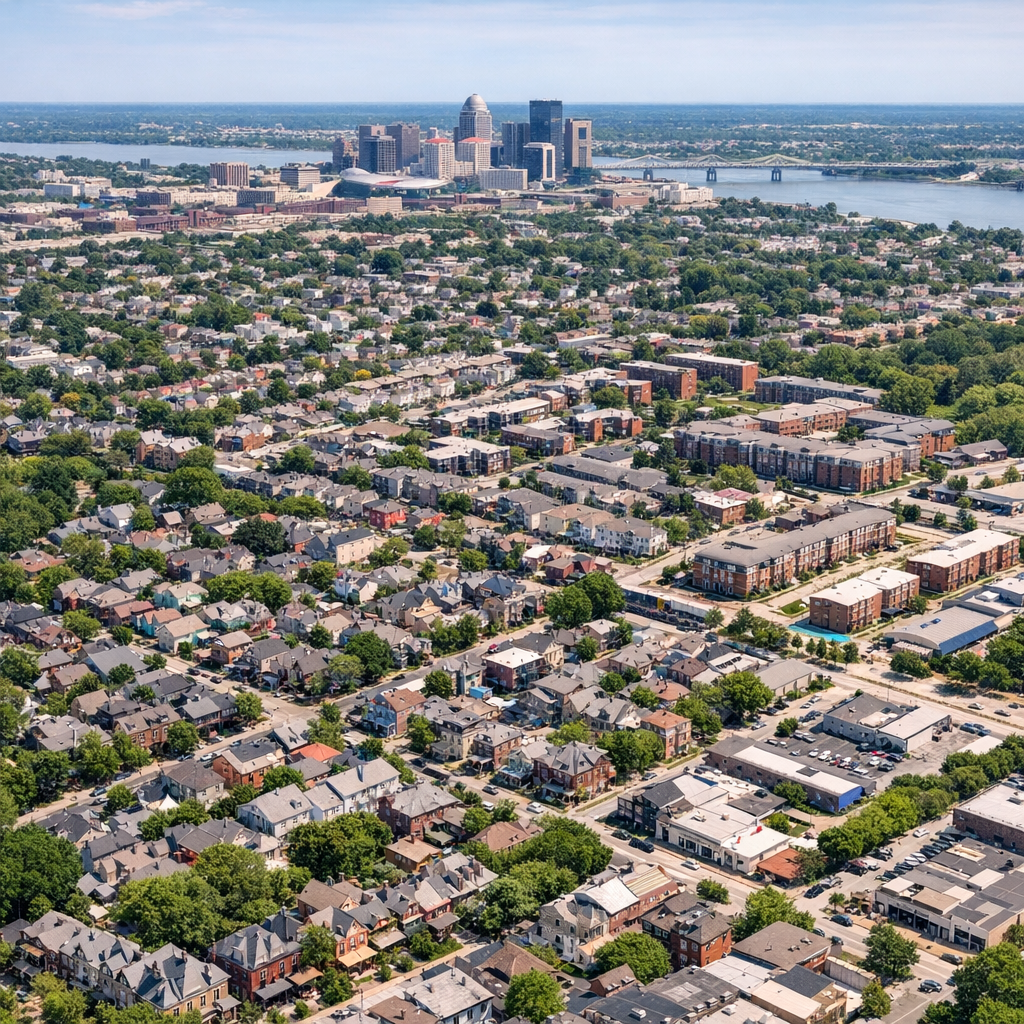
Louisville is grappling with a substantial shortage of affordable housing, particularly for its lowest-income residents. According to the 2024 Housing Needs Assessment, the city requires over 36,000 additional units to meet the demand of households earning 30% or less of the area median income. This shortage has led to more than a quarter of Louisville households being cost-burdened, spending over 30% of their income on housing expenses.
The Metropolitan Housing Coalition’s 2025 Housing and Utility Affordability Report highlights that thousands of households struggle with utility unaffordability, further exacerbating housing instability. These challenges not only affect economic mobility but also have broader implications for health and community resilience.
Efforts to address these issues are underway. The Louisville Metro Community Action Board is actively involved in combating poverty-related problems, including housing insecurity. Additionally, the city’s Community Health Improvement Initiative has identified housing and financial stability as key priorities, recognizing the profound impact of housing conditions on overall health.
While these initiatives are steps in the right direction, the scale of the problem necessitates continued collaboration between government agencies, community organizations, and residents to develop and implement effective solutions that ensure all Louisvillians have access to safe and affordable housing.