

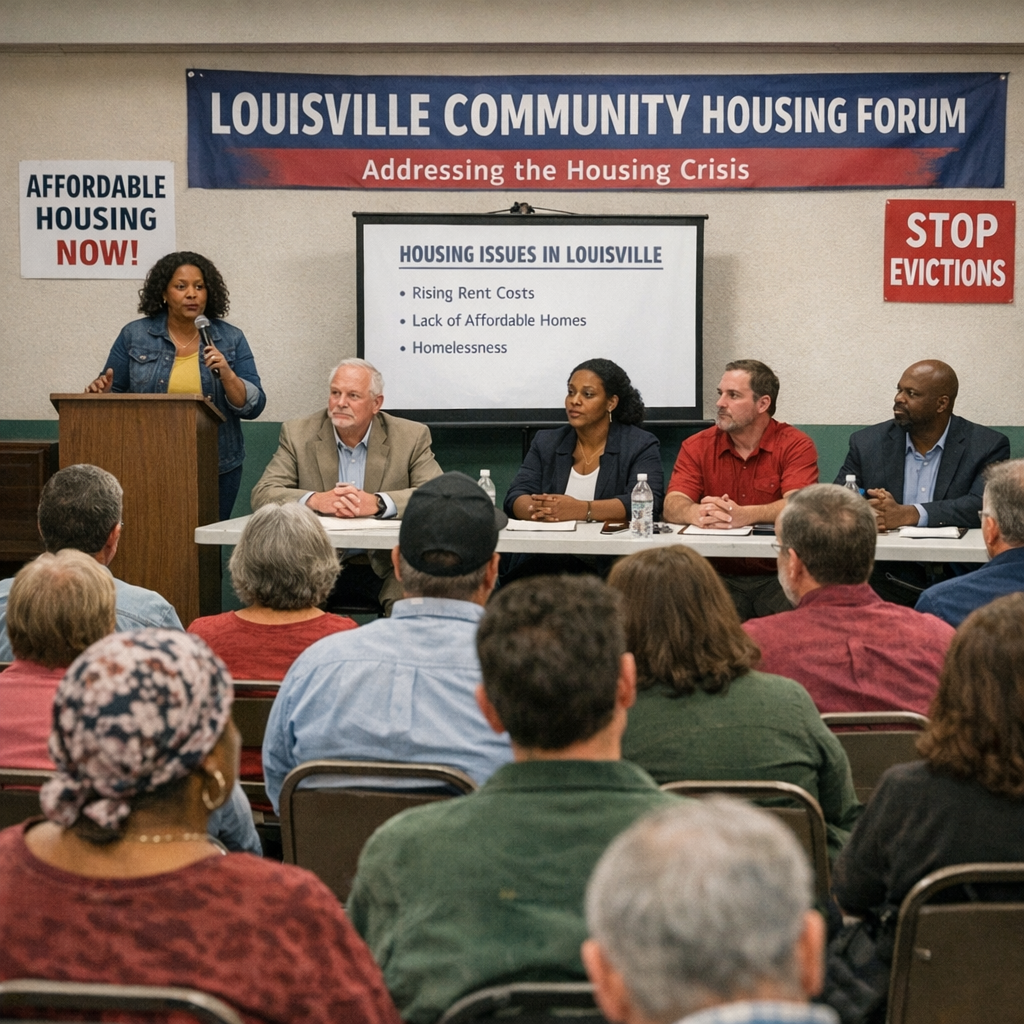
Louisville’s housing landscape has been a focal point for community discussions, especially in light of recent assessments highlighting both progress and persistent challenges. The 2024 Housing Needs Assessment revealed an increase of nearly 18,400 housing units affordable to the city’s lowest-income residents between 2016 and 2021. Despite this, the unmet need for such housing grew by 15%, totaling 36,160 units, with over a quarter of households remaining cost-burdened, paying more than 30% of their income toward housing expenses.
Community organizations and local government agencies are actively working to address these issues. The Louisville Metro Community Action Board, for instance, collaborates with the Office of Social Services to combat poverty-related problems, including housing insecurity. The board comprises members from public, private, and low-income sectors, ensuring diverse representation and a comprehensive approach to community needs.
Moreover, initiatives like the Community Health Improvement Initiative have identified housing and financial stability as key priorities. Poor living conditions and housing insecurity are linked to adverse health outcomes, emphasizing the need for integrated solutions that address both housing and health disparities.
Community members are encouraged to participate in these efforts by attending public meetings, providing feedback on proposed developments, and supporting local organizations dedicated to housing advocacy. Through collective action and sustained commitment, Louisville aims to create a more equitable and accessible housing environment for all its residents.