

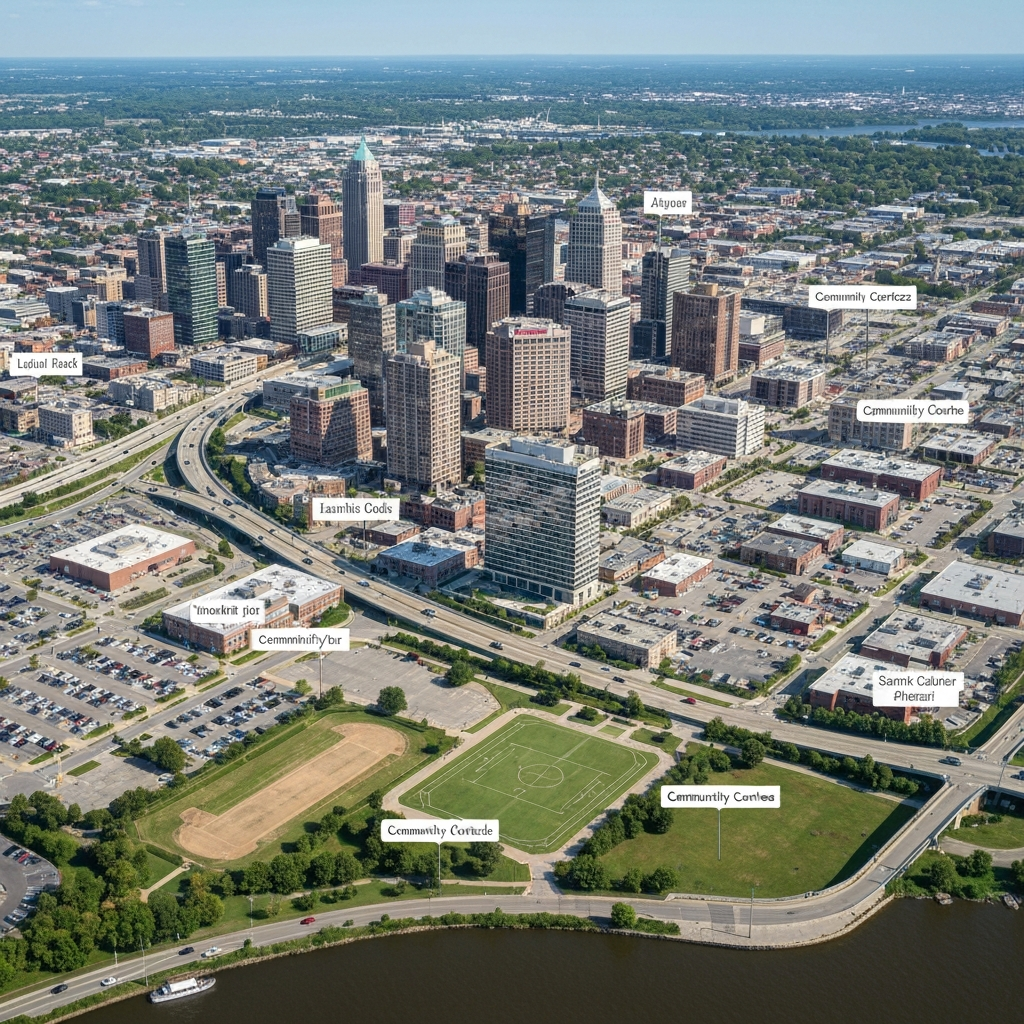
As a resident of Louisville, I’ve observed firsthand how federal policy decisions ripple through our community, influencing everything from infrastructure projects to public services. Recent developments have underscored the profound impact that shifts at the national level can have on our city’s daily life.
Infrastructure and Environmental Initiatives
One significant area affected by federal policy changes is our city’s infrastructure. For instance, Louisville was poised to receive approximately $8 million from the U.S. Department of Transportation to expand electric vehicle (EV) charging stations across the city. This initiative aimed to ensure that no resident would be more than a 10 to 15-minute drive from a charger. However, this grant was frozen indefinitely, leaving the project’s future uncertain and highlighting the challenges of relying on federal funding for local infrastructure improvements. Source
In a related development, Mayor Craig Greenberg announced a major step toward ending the federal Reformulated Gasoline (RFG) requirement in Jefferson County. This move could potentially save Louisville families and businesses millions at the pump, as RFG has historically led to higher gasoline prices in our area. Source
Public Services and Community Well-being
Federal funding cuts have also threatened essential public services. The Trump administration rescinded more than $9 million in infrastructure funding for local governments across Kentucky, including grants that would have funded flood mitigation projects in Louisville. This decision came at a time when the state was recovering from significant flooding, underscoring the critical need for such projects. Source
Additionally, the U.S. Department of Justice found that Kentucky unnecessarily institutionalizes Louisville residents with serious mental illness in psychiatric hospitals, rather than providing care in integrated community settings. This finding highlights the need for expanded community-based services to prevent unnecessary hospitalizations and improve the quality of life for affected individuals. Source
Housing and Urban Development
On a more positive note, Louisville has been proactive in addressing housing challenges. The city launched “My Louisville Home,” a comprehensive housing strategy aiming to create and preserve 15,000 units of affordable housing by 2027. This ambitious plan includes revising the Land Development Code to allow more density, removing regulatory barriers, and encouraging private and public partnerships to address the severe lack of housing in our community. Source
These examples illustrate the complex interplay between federal policies and local initiatives. While national decisions can pose challenges, they also provide opportunities for Louisville to innovate and adapt, ensuring that our community continues to thrive despite the shifting political landscape.