

The U.S. economy has recently experienced a series of fluctuations, reflecting both domestic policies and international events. Understanding these changes is crucial for individuals and businesses alike.
Job Market Dynamics
After a period of growth, the job market has shown signs of contraction. February saw a loss of 92,000 jobs, with previous months’ figures also being revised downward. Notably, without the health care sector, the economy would have shed approximately 202,000 jobs since January 2025. This trend raises concerns about the stability of employment across various industries.
Inflation and Consumer Prices
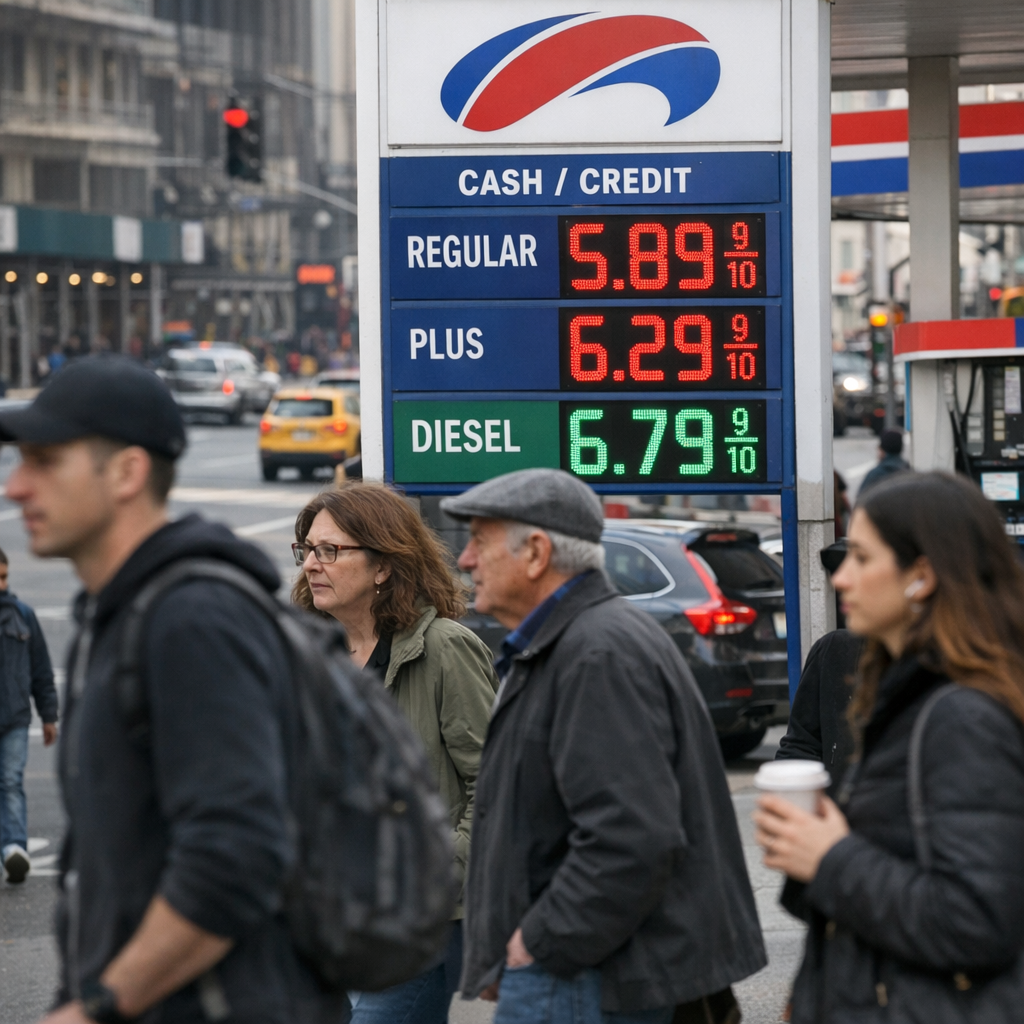
Inflation has been a pressing issue, with the personal consumption expenditures price index rising to 2.6% in both 2024 and 2025. A significant contributor to this inflationary pressure is the surge in gasoline prices, which have increased by 19% over the past month, reaching a national average of $3.45 per gallon. This uptick is largely attributed to geopolitical tensions affecting global oil supply chains.
Impact of International Conflicts
The recent military actions in the Middle East have had a profound impact on the U.S. economy. The conflict has led to a spike in oil prices, surpassing $100 per barrel for the first time since 2022. This escalation has not only affected fuel costs but also contributed to broader economic uncertainty, influencing both consumer behavior and business investment decisions.
Stock Market Volatility
The stock market has mirrored these economic uncertainties. The Dow Jones Industrial Average, a key indicator of market health, has declined by 5% over the past month. While markets are inherently volatile, the current downturn reflects investor concerns over inflation, international conflicts, and domestic economic policies.
Looking Ahead
As the U.S. navigates these economic challenges, policymakers and business leaders are tasked with implementing strategies to stabilize the job market, control inflation, and mitigate the impacts of international conflicts. For residents of Louisville and beyond, staying informed and adaptable will be key to weathering these economic shifts.